
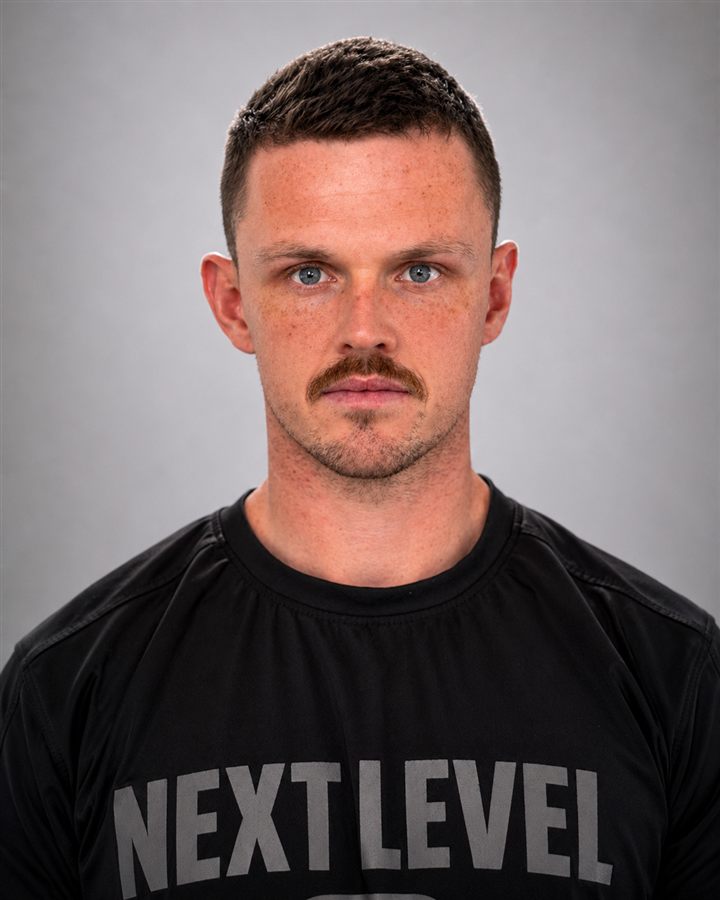
Jack Ogilvie
Co-founder · Systems and growth
Built the systems that let a small regional team personally manage over 1,000 members.
Guide · For gyms opening soon
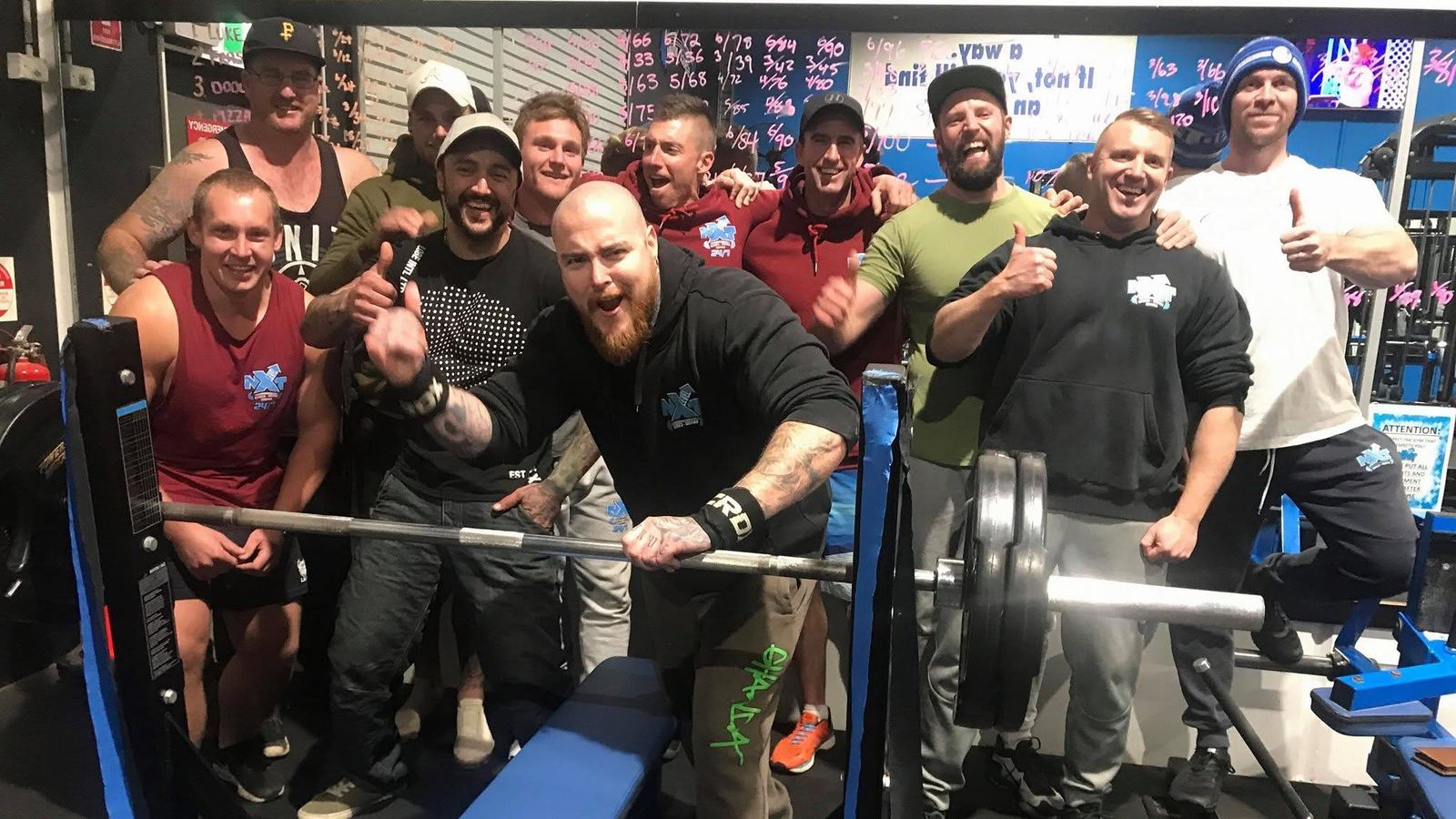
We took over a tired 24/7 gym in 2013 with a whiteboard and a handful of members. Here is the order we would build it in if we started again tomorrow.
Most new gyms start with a floor plan. That is the wrong end. A floor plan answers "what will be in the room", and the question that decides whether you survive is "what is a member paying for".
If the answer is access to equipment, you are in a price fight from day 1 against chains with more money than you. If the answer is coaching, you are selling something they structurally cannot.
Sell coaching. Everything else is the room it happens in.
This single decision changes your equipment list, your staffing, your pricing and your marketing. Make it first and the rest gets easier.
These 3 decide how every single day runs. Choose them before you spend a dollar on equipment, because changing them later means migrating live members.
Memberships, door access, class bookings, the member database. The spine of the business.
Whichever you like, with one hard requirement: it must connect to your gym software, because that is what tells it to debit each member.
Where programs, check-ins and coaching actually live. Under your brand, not a generic one.
Get these 3 talking to each other before you open and your first 100 members are admin-free. Get them wrong and you will spend year 1 copying data between screens.
A new gym is cash-tight in exactly the months it can least afford to be. The people who join before you open are the answer to that, if you sell to them properly.
Run a founding member offer, and make it worth backing you early: a rate they keep for as long as they stay. Then take it up front where you can. A year paid in advance is a year of that member's revenue in your account the month you need it most.
Once you are open and the doors are paying for themselves, move new members onto normal direct debit. Up-front money is a runway. Recurring money is a business.
Not at the end of year 1. From the first week you have members.
These 3 tell you whether the thing you are building is working, months before the bank balance does.
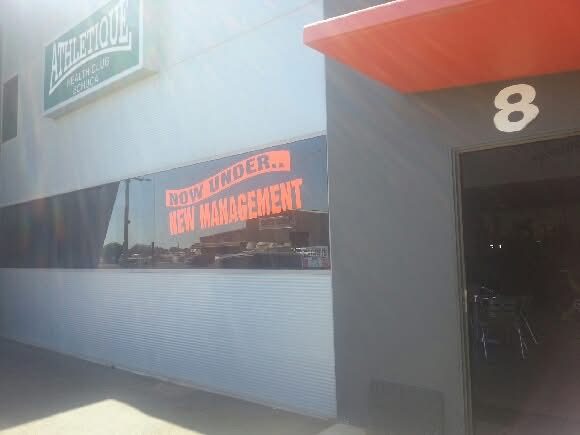
We took 13 years to work out what is written on this page. We spent money on equipment before we had anyone to coach, sold access before we sold service, and rebuilt our pricing more times than we would like to admit.
None of that was necessary. It was just the cost of nobody handing us the order to do it in.
If somebody hands you the system instead, the work is roughly 100 to 200 hours. It is still work, and it is still yours to do. But it is not 13 years.
Beyond the lease, insurance and council approvals: gym management software, a billing provider that connects to it, and a member app. Those 3 decide how every day runs, so make them before you spend on equipment.
Less than you want to. Equipment is the easiest thing to add later and the hardest money to get back. Members leave because nobody coached them, not because you had 6 treadmills instead of 8.
A founding offer is worth running, but sell it as a permanent locked rate for the people who back you early, and take it up front where you can. Cheap for the sake of cheap just fills the room with people who leave when somebody else is cheaper.
Nobody can honestly answer that for your site, and be careful with anyone who does. What we can say is which order to build in, and that a gym selling coaching gets there on fewer members than one selling access.
Written by the operators
Co-founder · Systems and growth
Built the systems that let a small regional team personally manage over 1,000 members.
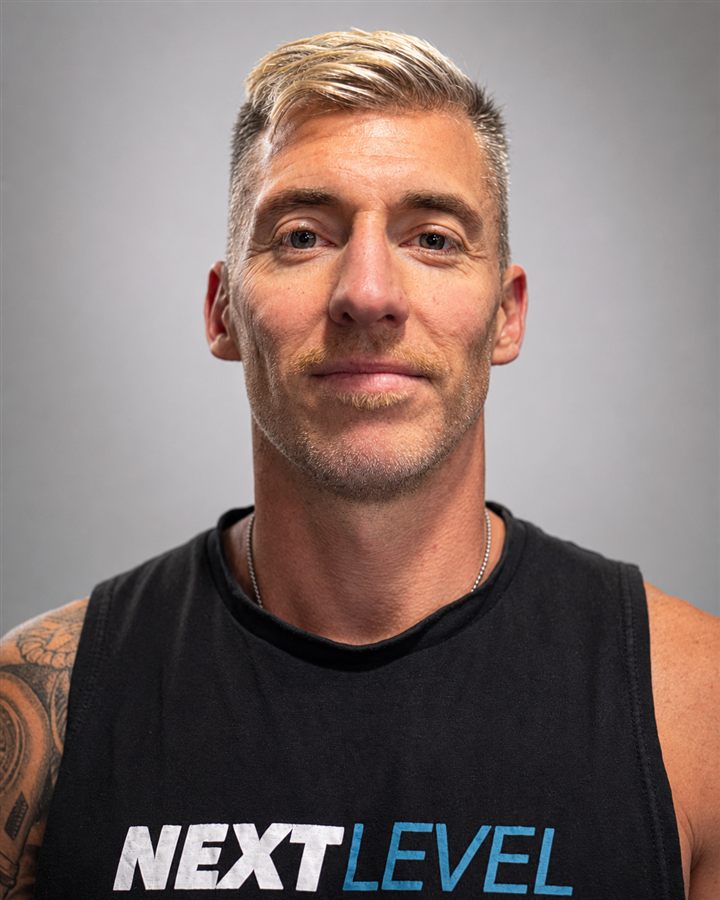
Co-founder · Operations and facilities
Opened Next Level in 2013 and has run every stage since, from the first 30 members to 1,000.
Limited partner spots
45 minutes on your site, your market and your plan. You leave with clarity either way.
No obligation. We reply within 1 business day, direct from Jack and Luke.
We've sent a confirmation to . Jack or Luke will be in touch within 1 business day to lock in a time.